In the dynamic world of business, understanding and responding to customer feedback is no longer optional—it’s essential. Imagine having a tool that not only captures this invaluable feedback but also transforms it into actionable insights. Enter CRM software, the secret weapon for businesses looking to harness the full potential of customer interactions. Whether you’re a burgeoning startup or an established enterprise, this technology is your gateway to fostering meaningful relationships and driving exponential growth.
For years, CRM software has evolved, shifting from basic contact management systems to sophisticated platforms capable of revolutionizing customer engagement. These tools are now at the forefront of business innovation, offering more than just a repository for customer data. They are strategic allies in curating exceptional customer experiences and propelling businesses to new heights. Let’s embark on a journey to explore how CRM software for customer feedback can be the catalyst that sparks transformation in your organization.
Introduction to CRM Software for Customer Feedback
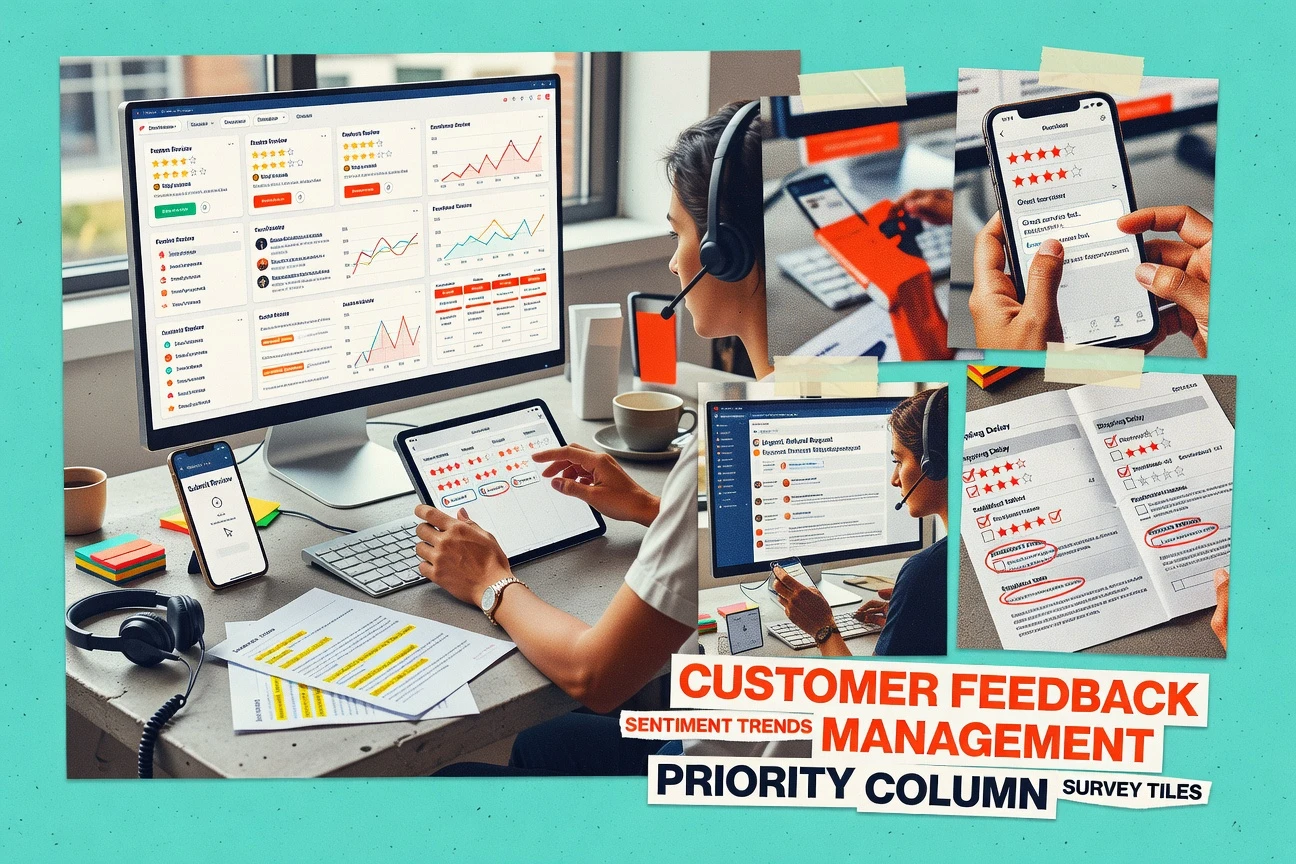
In the dynamic world of business, understanding your customer is key. CRM software serves as the bridge to connect enterprises with invaluable customer insights, shaping the future of business interactions.
As a monumental tool in the arsenal of modern businesses, CRM software plays a pivotal role in managing and analyzing customer feedback. By harnessing this technology, companies can build stronger relationships, drive innovation, and ultimately achieve uncharted growth.
The Evolution of CRM Software
Tracing back to the 1980s, CRM software began as mere digital rolodexes, evolving through the decades into the sophisticated platforms we know today. With advancements in technology, CRM systems have transformed into powerhouses of data, integrating AI and machine learning to deliver predictive insights. This evolution underscores the shift from transactional customer interactions to strategic relationship management.
The Critical Role of Customer Feedback in Business Growth
Customer feedback is the lifeblood of any thriving business. It provides a direct line to the hearts and minds of your consumers, offering valuable insights that drive product improvements and service enhancements. In an era where customer experience reigns supreme, feedback becomes the currency for building loyalty and fostering brand advocates.
“Your most unhappy customers are your greatest source of learning.” – Bill Gates
Incorporating CRM software to harness this feedback not only streamlines the process but also ensures that businesses can respond with agility and precision, turning potential setbacks into opportunities for growth and innovation.
Key Features of CRM Software for Customer Feedback

Unlock the potential of your customer interactions with CRM software that’s tailored for feedback. Discover a world where every customer’s voice not only matters but drives your business forward with precision.
A successful CRM solution for customer feedback is more than just a repository of data. It is an intelligent system that listens, analyzes, and provides actionable insights to enhance customer satisfaction and business growth.
Real-Time Feedback Collection
In today’s fast-paced market, the ability to capture customer feedback in real time can be a game-changer. With instant feedback collection, businesses can respond quickly to customer needs and improve their service on the fly. Imagine a retail scenario where customers provide feedback immediately after a purchase through mobile apps or in-store kiosks. This immediate loop not only enhances customer experience but ensures that businesses stay ahead of the curve.
Advanced Analytics and Reporting
Transform raw feedback into meaningful insights with advanced analytics capabilities. CRM software with powerful analytical tools allows businesses to identify trends, measure satisfaction, and make data-driven decisions. Consider a hospitality company that uses analytics to determine peak satisfaction times or areas needing improvement, thereby optimizing their services.
Integration with Multi-Channel Platforms
Today’s customers interact with brands across various platforms—from social media to emails and in-person visits. A CRM that seamlessly integrates with multiple channels ensures a holistic view of the customer journey. This connectivity allows businesses to maintain context and consistency in their communication strategies.
Automated Feedback Management
Say goodbye to manual data entry! Automated feedback management systems enable effortless collection and categorization of customer opinions, allowing teams to focus on strategic improvements instead of administrative tasks. For instance, a software company automating its feedback capture from different channels can efficiently prioritize feature development based on customer needs.
“The success of your business is directly proportional to your ability to listen to your customers and act accordingly.”
Comparison of Popular CRM Tools
Choosing the right CRM tool can be daunting. Here’s a comparison table to help you navigate the options:
| Feature | Tool A | Tool B | Tool C |
|---|---|---|---|
| Real-Time Feedback Collection | Yes | No | Yes |
| Advanced Analytics | Yes | Yes | No |
| Multi-Channel Integration | Yes | Yes | Yes |
| Automated Feedback Management | No | Yes | Yes |
Benefits of Using CRM Software for Customer Feedback
In today’s dynamic business environment, understanding customer feedback is not just an advantage; it’s a necessity. CRM software for customer feedback streamlines this process, creating a direct pathway to enhanced customer satisfaction and business growth.
By leveraging CRM tools, companies can dive deeper into customer insights, turning feedback into powerful strategies that drive success. Let’s explore how these systems elevate your customer experience and transform feedback into action.
How CRM Software Enhances Customer Satisfaction
Integrating CRM software with your feedback channels ensures every piece of feedback is not only heard but acted upon. This proactive approach transforms customer experiences into loyal, lasting relationships. With CRM software, businesses can:
- Centralize Feedback Collection: Consolidate feedback from multiple channels into a single, easy-to-manage platform.
- Improve Response Times: Automated alerts and workflows ensure timely responses to customer inquiries, enhancing satisfaction.
- Personalize Customer Interactions: Leverage detailed customer insights to tailor communications and offers.
- Track Customer Sentiment: Monitor trends in feedback to identify areas for improvement and innovation.
- Boost Engagement: Implement feedback-driven changes that resonate with your audience, increasing loyalty and advocacy.
Real-World Success: Case Studies of Feedback Integration
Successful businesses understand the power of feedback. Below are examples of companies who have harnessed CRM software to turn customer insights into actionable strategies.
| Company | Challenge | Solution | Outcome |
|---|---|---|---|
| RetailCorp | Low Customer Retention | Implemented CRM-driven personalized offers | 15% increase in customer retention within six months |
| ServicePro | Negative Feedback on Services | Used sentiment analysis to refine service delivery | 25% improvement in customer satisfaction scores |
Implementing CRM Software for Effective Feedback Management
In the dynamic world of customer relations, integrating CRM software effectively is crucial for transforming feedback into actionable insights. With the right implementation, businesses can streamline their feedback processes and enhance customer satisfaction.
This section delves into the strategic steps necessary for implementing CRM software tailored to manage feedback effectively. By following a structured approach, companies can ensure seamless integration and maximize the benefits of their CRM systems.
Steps for Implementing CRM Software
Implementing CRM software for feedback management involves various steps that ensure a smooth transition and optimal functionality. Here are the essential steps involved:
- Identify your business goals and customer feedback objectives.
- Select a CRM software that aligns with your feedback needs and business strategy.
- Customize the CRM interface to capture and categorize feedback efficiently.
- Train your team on the CRM functionalities and feedback analysis techniques.
- Monitor the implementation process and collect initial feedback from users for adjustments.
Integrating Feedback Channels with CRM
For CRM software to truly shine, it must seamlessly integrate with the various feedback channels your customers use. Here’s a procedure to achieve that:
- Map out all existing feedback channels, including email, social media, surveys, and customer service interactions.
- Use API integrations to connect these channels with the CRM, ensuring real-time data synchronization.
- Establish automated workflows to categorize and prioritize feedback based on predefined criteria.
- Regularly update and maintain the integration to accommodate new channels or updates in technology.
Visualization of the Implementation Process
Visualizing the CRM implementation process can provide clarity and direction. Below is a flowchart depicting the key stages of implementing CRM software for feedback management:
“A well-visualized process is a roadmap to success.”
Unfortunately, I cannot draw the flowchart directly here, but envisage this: Begin with “Identify Business Goals,” leading to “Select CRM Software,” proceeding to “Customize Interface,” then “Integrate Feedback Channels” and ending with “Train Team & Monitor Progress.”
Challenges and Solutions in Using CRM Software for Feedback

In the dynamic world of customer relationship management, leveraging CRM software for feedback can be both a boon and a challenge. Understanding these challenges and addressing them effectively is key to maximizing the potential of CRM systems.
Let’s dive deeper into identifying the common hurdles and exploring innovative solutions to enhance your feedback management process.
Data Overload and Management
One major challenge businesses face is data overload. With a vast amount of feedback pouring in, it’s crucial to manage and prioritize this data efficiently.
To tackle this, companies can implement advanced filtering tools within their CRM systems that help prioritize feedback based on urgency, sentiment, or customer value. These tools allow teams to focus on actionable insights rather than getting lost in the noise.
Integration Issues
Integrating CRM software with existing systems can be daunting, especially for businesses with legacy systems. This integration challenge can lead to data silos and inefficiencies.
It’s advisable to use CRM solutions with robust APIs and integration capabilities that ensure a seamless connection with other tools. Collaborating with IT specialists to facilitate this process can also prevent potential setbacks.
Ensuring Data Security and Compliance
Data security is another critical concern, particularly with CRM systems handling sensitive customer information. Breaches can lead to catastrophic consequences for businesses.
- Invest in CRM software that offers strong encryption and regular security updates.
- Ensure compliance with industry-specific regulations such as GDPR for the EU.
- Conduct regular security audits to identify and address vulnerabilities.
Industry-Specific Adaptations
Different industries face unique challenges when implementing CRM systems for feedback. Adaptations are necessary to cater to these specific needs effectively.
For instance, in the healthcare sector, CRM software must comply with strict regulations like HIPAA, while still providing a seamless feedback experience. A healthcare provider might utilize a CRM that offers secure patient portals and integrates with existing Electronic Health Records (EHR) systems, ensuring both compliance and efficiency.
Alternatively, in retail, the challenge might be managing feedback from multiple channels such as social media, email, and in-store interactions. Here, a CRM with omnichannel capabilities can unify feedback sources, providing a comprehensive view of customer sentiments and enabling better decision-making.
With these solutions and practices, organizations can transform potential challenges into opportunities for improvement and success in customer feedback management.
Future Trends in CRM Software and Customer Feedback

In the realm of CRM software, change is the only constant. As technology evolves, so does the potential for CRM systems to transform customer feedback into business gold. Let’s dive into what the future holds for this ever-evolving landscape.
From harnessing the power of artificial intelligence to integrating more immersive feedback collection methods, the future of CRM software promises to revolutionize how businesses understand and interact with their customers.
Artificial Intelligence and Machine Learning Revolutionizing CRM
The integration of artificial intelligence (AI) and machine learning (ML) into CRM platforms is set to redefine customer feedback management. These technologies offer powerful tools for analyzing vast amounts of data, identifying patterns, and predicting customer behavior with unprecedented accuracy. AI-driven chatbots will become more sophisticated, providing real-time assistance and gathering feedback during customer interactions. This not only enhances the customer experience but also allows businesses to respond swiftly to emerging trends and issues.
Innovations in Feedback Collection Techniques
The way businesses collect feedback is evolving rapidly. Expect to see an increase in the use of immersive technologies such as virtual reality (VR) and augmented reality (AR), which provide more engaging and interactive feedback experiences. Additionally, voice-enabled feedback systems, powered by smart assistants, will make it easier for customers to provide input naturally and conveniently.
Expert Insights on Future Feedback Management Systems
Industry experts believe that the future of feedback management lies in creating more holistic and integrated systems. According to a recent study by a leading CRM consultancy, there is a growing trend towards platforms that consolidate feedback from multiple channels, providing a 360-degree view of the customer experience.
“Feedback management systems must evolve to become the central nervous system of an organization’s customer strategy,”
suggests a renowned CRM strategist. This shift will empower businesses to make data-driven decisions with greater confidence and precision.
Conclusion

As we voyage through the ever-evolving landscape of customer engagement, CRM software stands as an indispensable ally. It’s not just about storing feedback—it’s about crafting a future-proof strategy that positions your business for success. By integrating CRM tools effectively, you’re not just responding to customer needs; you’re anticipating them, ensuring your business remains at the cutting edge of innovation. Embrace this technology with open arms and watch as it transforms your customer interactions into powerful stories of success and loyalty.