In today’s fast-paced business environment, staying connected and informed is no longer a luxury—it’s a necessity. Enter CRM software with mobile app integration: the ultimate tool that empowers businesses to harness the full potential of their customer relationships anytime, anywhere. Imagine having the ability to access vital customer insights, streamline communication, and enhance productivity all from the palm of your hand.
With mobile app integration, CRM software takes on a whole new level of functionality. No longer are you tied to a desk; instead, you carry a powerful toolkit that adapts to your dynamic work style. This seamless integration redefines convenience and efficiency, enabling businesses to thrive in a competitive landscape.
Introduction to CRM Software with Mobile App Integration

In today’s competitive business landscape, Customer Relationship Management (CRM) software plays a pivotal role in helping companies streamline operations and build stronger relationships with their customers.
With the advent of mobile app integration, CRM software has evolved to become even more powerful and accessible, enabling businesses to manage customer interactions on-the-go and enhance their overall customer service experience.
Maximizing CRM Potential with Mobile App Integration
The integration of mobile apps with CRM software transforms the way businesses interact with customers by offering real-time data access and improved communication channels. This seamless integration ensures that businesses can maintain productivity and efficiency, no matter where their teams are located.
With mobile app integration, sales teams, for example, can update customer information, access sales data, and manage leads instantly, leading to faster decision-making and more personalized customer interactions. Moreover, the ability to receive instant notifications and alerts ensures that no critical opportunity is missed, enhancing the agility of your customer service operations.
Key Features of Mobile-Optimized CRM Software
Modern CRM solutions are designed with mobile users in mind, incorporating features that enhance usability and functionality on smaller screens. These features include:
- User-friendly interfaces that are intuitive and easy to navigate on smartphones and tablets.
- Offline access to crucial customer data, allowing teams to work without interruptions, even in areas with limited connectivity.
- Integration with native mobile device features such as cameras and GPS to enrich customer data and offer location-based services.
- Real-time synchronization across devices, ensuring that all team members have the most up-to-date information at their fingertips.
“Mobile CRM software is not just a tool; it’s a gateway to a more connected and responsive business environment.”
By leveraging these mobile-optimized features, businesses can enjoy enhanced operational flexibility and improved customer satisfaction, driving growth and success in the digital age.
Key Features of Mobile-Enabled CRM Software
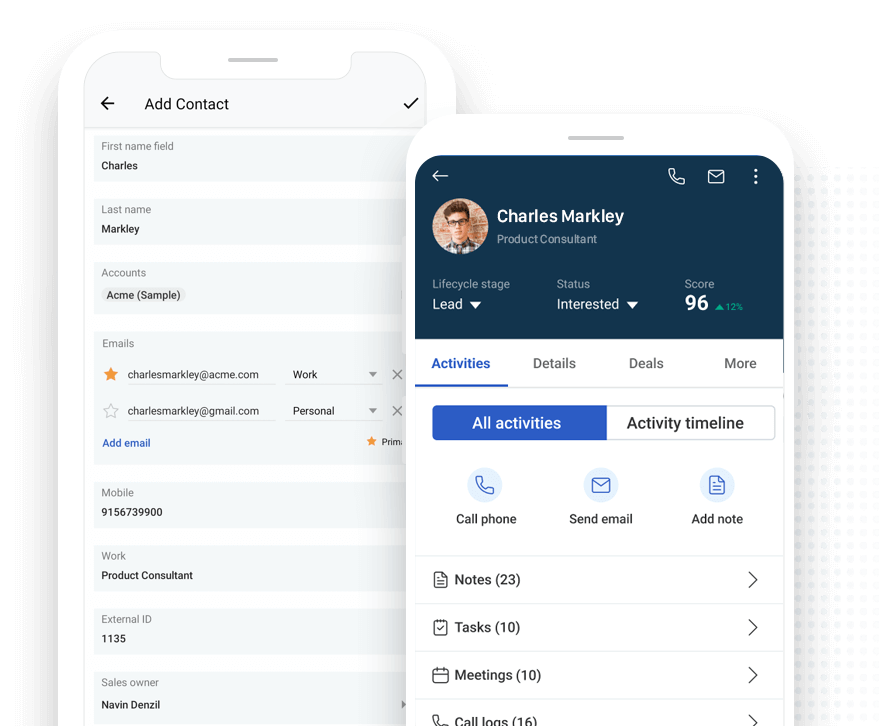
In today’s fast-paced business environment, having a mobile-enabled CRM is not just a luxury, but a necessity. With the power of a CRM mobile app, you can transform how your team manages customer relationships on the go.
Imagine having all your customer data, tasks, and communications at your fingertips wherever you are. This is the promise of mobile-enabled CRM software, providing unmatched flexibility and efficiency.
Essential Features of CRM Mobile Apps
To ensure that your CRM mobile app meets the demands of modern business, it must be equipped with key features that enhance its functionality and usability. Here’s a snapshot of what to look for:
| Feature | Description | Benefits |
|---|---|---|
| Contact Management | Access to detailed customer profiles and history from your mobile device. | Improves customer interactions and personalizes the user experience. |
| Task Management | Create, assign, and track tasks and follow-ups on the go. | Enhances team collaboration and ensures timely task completion. |
| Real-Time Analytics | View dashboards and reports to make data-driven decisions. | Empowers quick decision-making with up-to-date information. |
| Push Notifications | Receive instant alerts on updates and important events. | Keeps users engaged and prompts timely actions. |
The Role of Offline Access and Synchronization
In today’s business landscape, the ability to work anytime, anywhere is crucial. Offline access in CRM mobile apps ensures that you can continue working even without an internet connection. Imagine being at a client site or traveling without worrying about losing access to vital information.
Synchronization becomes your best ally here, as it automatically updates your data once you’re back online. This seamless transition not only protects your data but also maintains business continuity without any disruption.
Enhancing User Engagement with Push Notifications
Push notifications are a game-changer when it comes to keeping users engaged. These alerts not only remind users about critical tasks and updates but also create a proactive work environment. By receiving timely notifications, users can address urgent matters promptly, thereby increasing productivity and reducing the risk of missing opportunities.
Moreover, personalized push notifications can help tailor the user experience, making the CRM mobile app an indispensable tool in your daily business operations.
Benefits of Using CRM Software with Mobile App

In an era where mobility is key, leveraging a CRM software that integrates seamlessly with a mobile app can transform the way businesses interact with customers and manage their operations. The advantages extend beyond mere convenience, offering strategic benefits that can drive growth and enhance customer satisfaction.
Mobile-enabled CRM platforms empower sales teams and customer service agents by placing crucial information at their fingertips, wherever they may be. This on-the-go access is a game-changer in today’s fast-paced business environment.
Advantages of Mobile Access for Sales Teams and Customer Service Agents
The ability to access client information anytime and anywhere gives sales teams and customer service agents a distinct edge. Instant access to customer profiles, order histories, and service inquiries allows for more personalized and effective interactions. For sales professionals, it means seizing opportunities as they arise, without the constraints of being tied to a desk.
In a crowded marketplace, this agility can be the difference between closing a deal and missing out. On the customer service front, immediate access to data facilitates quicker resolution of issues, enhancing the customer experience and building loyalty.
Improved Data-Driven Decision-Making Through Mobile CRM
With mobile CRM, decision-makers are not limited to insights gathered in the office. They can analyze real-time data and make informed decisions on the fly. Consider a scenario where a team is attending a trade show; having access to live analytics dashboards via the mobile app allows them to tailor their pitches based on current trends and customer engagement levels.
This level of data-driven decision-making is bolstered by the ability to input new information from the field, ensuring that the entire team is aligned and operating with the most up-to-date information available.
Enhancing Customer Relationship Management and Retention
Mobile CRM applications are a cornerstone for nurturing stronger customer relationships. They enable businesses to maintain a continuous line of communication, regardless of geographical barriers. By providing staff with tools for real-time communication and engagement, businesses can ensure that each customer interaction is meaningful and personalized.
Furthermore, features like push notifications and reminders enable businesses to proactively engage with customers, addressing their needs and concerns promptly. This proactive approach not only improves customer satisfaction but also enhances retention rates, as customers feel valued and understood.
Popular CRM Software with Mobile App Capabilities

In the fast-evolving world of customer relationship management, having access to a stellar mobile app is a game-changer. These tools empower businesses to manage customer interactions and streamline operations on the go.
Below, we delve into some of the top CRM software options that come with robust mobile app capabilities, allowing for seamless integration and unparalleled user experiences.
Top CRM Software Options
Here’s a curated list of popular CRM solutions that boast impressive mobile app features designed to enhance your business’s productivity:
| Name | Mobile App Feature | Platform Compatibility | User Rating |
|---|---|---|---|
| Salesforce | Real-time data updates and offline access | iOS, Android | 4.5/5 |
| HubSpot CRM | Task management and contact insights | iOS, Android | 4.4/5 |
| Zoho CRM | AI-powered sales assistant | iOS, Android | 4.2/5 |
| Pipedrive | Deal notifications and activity reminders | iOS, Android | 4.3/5 |
Comparing User Experience and Interface Design
When it comes to user experience and interface design, the ease of navigation and intuitive design are paramount. Salesforce, for instance, offers a clean interface, but some users find it packed with features that require a learning curve. In contrast, HubSpot CRM is praised for its simplicity and direct access to essential functions, making it a favorite among small to medium-sized businesses.
“The flexibility and user-friendliness of CRM mobile apps are crucial for driving sales success on the go.”
Scalability and Adaptability for Business Growth
Scalability is a critical factor in choosing a CRM, especially for businesses poised for growth. Salesforce stands out with its robust customization options and ability to scale with an enterprise’s evolving needs. Zoho CRM offers more affordable pricing tiers, which are ideal for startups aiming to expand their operations without a hefty investment.
Adaptability is equally essential, as businesses need solutions that can integrate with existing systems. Both Pipedrive and HubSpot CRM excel in offering seamless integrations with a wide array of business tools, ensuring that your CRM software grows alongside your business.
Implementation Strategies for CRM Mobile Apps
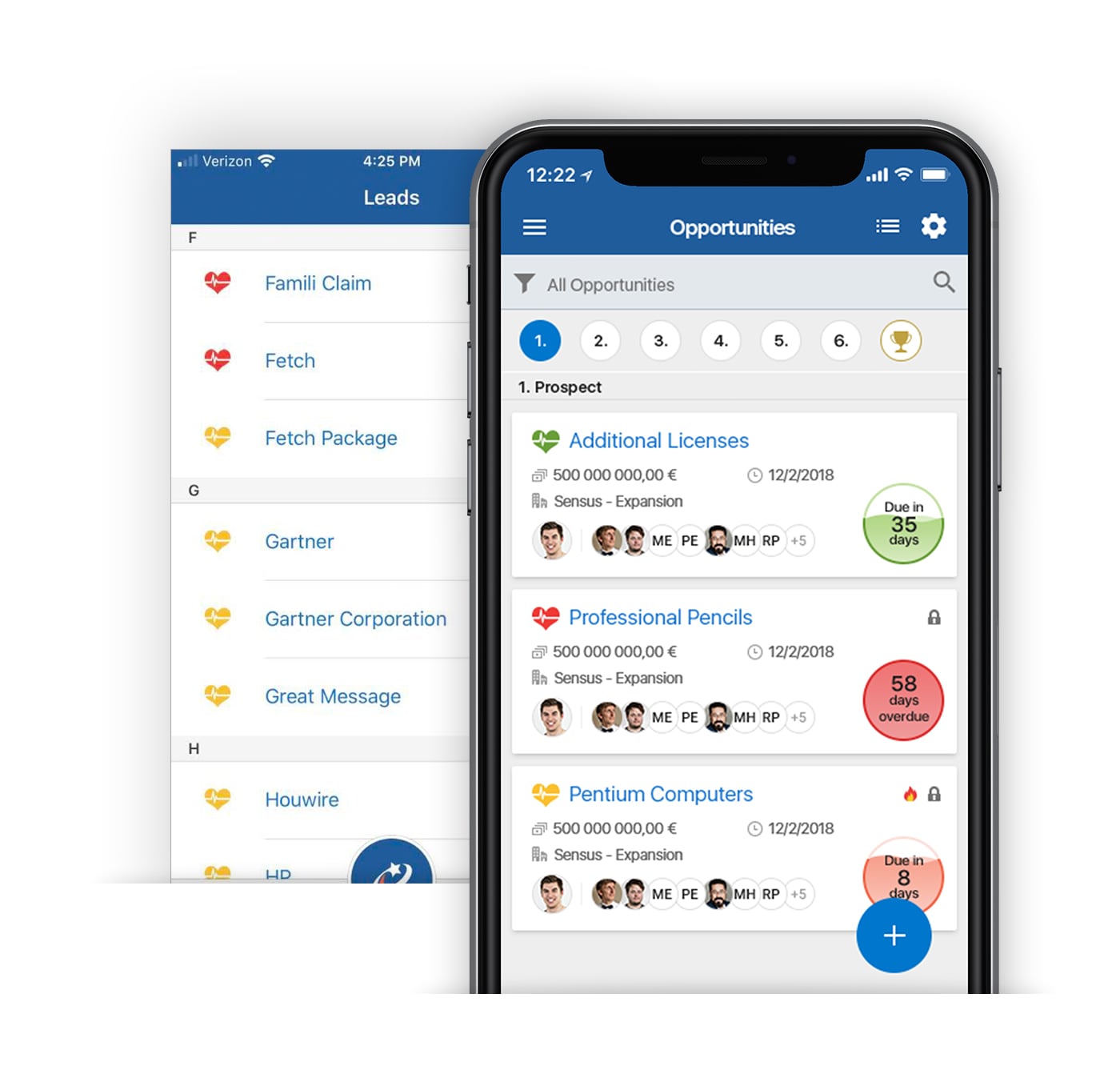
In the ever-evolving digital landscape, integrating CRM software with mobile app capabilities is a strategic move that can revolutionize customer interactions. The path to a successful implementation involves careful planning and execution across multiple facets of your business operations.
Ensuring the seamless integration of mobile CRM solutions requires a comprehensive understanding of your current business systems and a methodical approach to adoption and evaluation.
Steps to Integrate CRM with Existing Business Systems
Integrating CRM software into your existing business infrastructure can seem daunting, but with a structured plan, it can be achieved smoothly. The process begins by assessing your current systems to identify potential compatibility issues. Next, create a timeline that aligns with your business goals and resources, ensuring minimal disruption to ongoing operations.
- Conduct a thorough assessment of existing systems to understand integration points.
- Develop a detailed implementation timeline that includes testing phases.
- Ensure consistent communication between IT and business units to align objectives.
- Leverage APIs for seamless data exchange between systems.
- Engage with CRM vendors for technical support during the integration phase.
Training and User Adoption Strategies
To maximize the benefits of your CRM mobile app, it is crucial to equip your staff with the necessary skills and knowledge. A well-structured training program will enhance user confidence and encourage widespread adoption across your organization.
- Design a comprehensive training curriculum that caters to different user levels.
- Conduct interactive workshops and webinars to facilitate hands-on learning.
- Appoint CRM champions within teams to provide ongoing support and motivation.
- Utilize feedback mechanisms to continually improve training materials and methods.
-
“Adoption is not a one-time event, but an ongoing journey.”
Monitoring and Evaluating CRM Effectiveness
Once your CRM mobile app is up and running, it’s vital to regularly monitor its performance and impact on business outcomes. Establishing metrics and KPIs will allow you to measure success and make informed adjustments to your strategy.
Set clear KPIs such as user engagement rates, customer satisfaction scores, and sales conversion metrics. Regular feedback sessions with users can uncover areas for improvement. Implementing analytics tools will provide insights into user behavior and app performance, ensuring the CRM continues to meet evolving business needs.
Future Trends in CRM Software with Mobile App Development
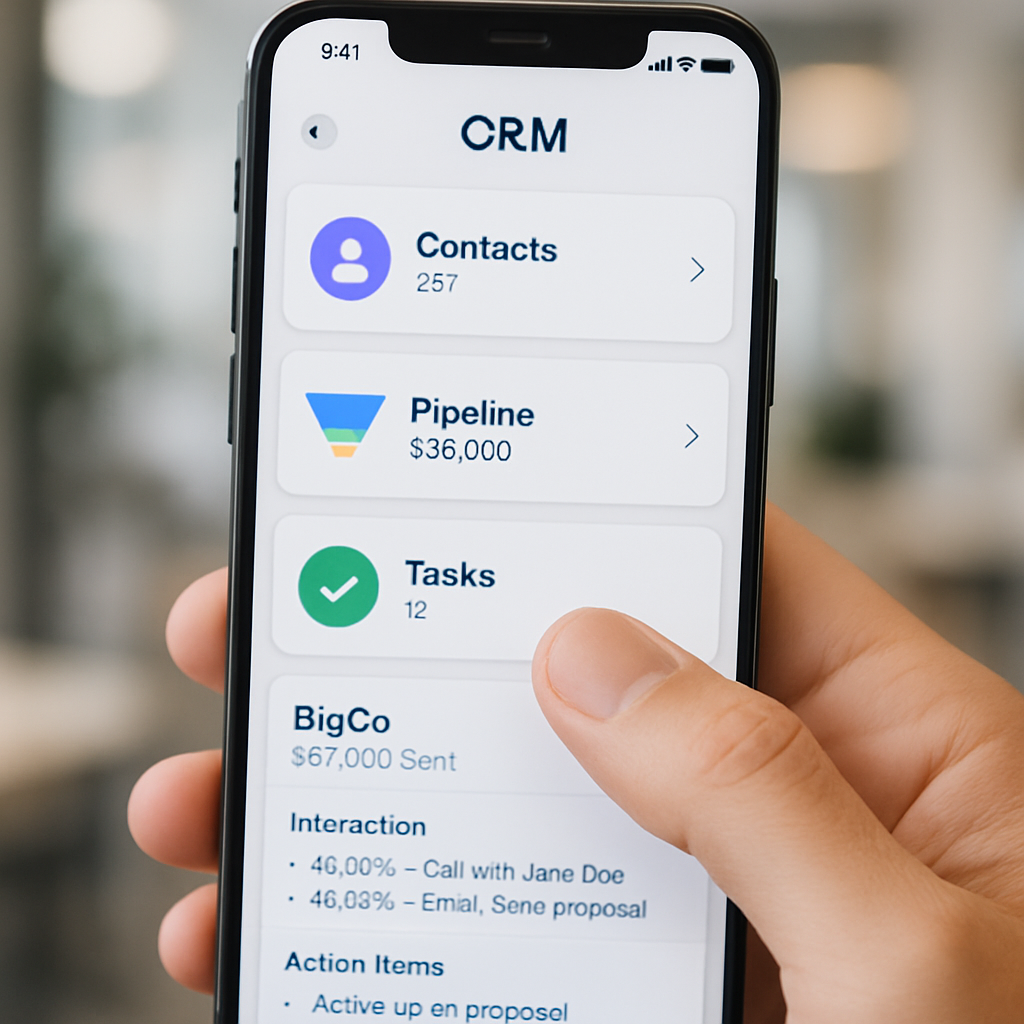
The landscape of CRM software is on the brink of a transformative evolution, with mobile app integration leading the charge. As technology strides forward, new trends are emerging that promise to redefine how businesses engage with their customers through mobile CRM solutions.
In navigating these trends, businesses should be prepared to leverage the power of artificial intelligence, harness the potential of 5G networks, and embrace the sophistication of evolving user interfaces to enhance their mobile CRM strategies significantly.
Integrating AI and Machine Learning in CRM Mobile Apps
As we enter a new era where data is king, the integration of artificial intelligence and machine learning within CRM mobile apps is becoming indispensable. These technologies provide the capability to analyze customer data in real-time, offering businesses valuable insights and enabling personalized customer interactions. Imagine an app that utilizes machine learning algorithms to predict customer behavior, anticipate needs, and suggest the next best action. This level of intelligent automation is set to revolutionize how sales teams and customer service representatives operate, significantly enhancing their efficiency and effectiveness.
The Impact of 5G on CRM Mobile App Performance
With the roll-out of 5G networks, the capabilities of CRM mobile apps are poised for extraordinary enhancements. The increased speed and reliability of 5G will facilitate instantaneous data transfer, seamless video conferencing, and real-time analytics, which are crucial for remote sales teams and customer service operations. The potential for 5G to support augmented reality (AR) and virtual reality (VR) applications on mobile devices opens up exciting possibilities for immersive customer experiences and innovative sales strategies.
Evolution of User Interfaces and User Experiences
User experience and interface design in CRM mobile apps are continually evolving to meet the ever-changing expectations of users. Modern CRM solutions are shifting towards more intuitive, voice-activated interfaces and gesture-based navigation, making them more accessible and user-friendly. The future promises CRM apps that adapt to the user’s individual workflow, providing a personalized dashboard that prioritizes relevant information and simplifies interaction with the system. Such advancements not only improve user satisfaction but also drive higher adoption rates among employees.
Closure

As we stand on the brink of a digital revolution, embracing CRM software with mobile app integration is not just a strategic move—it’s a visionary leap. Businesses that leverage these tools position themselves as leaders in their industries, forging stronger customer connections and driving impressive growth. So, whether you’re a small startup or a large enterprise, now is the time to explore the transformative power of mobile-enabled CRM solutions and propel your business into the future.