Imagine transforming your customer interactions from ordinary to extraordinary with just a few clicks. Welcome to the world of CRM software with email automation, where businesses can effortlessly streamline their operations and enhance customer relationships. This powerful integration takes the guesswork out of communication, allowing you to focus on what truly matters: growing your business.
With CRM software fused with email automation, you can say goodbye to manual repetitive tasks and hello to a more efficient, personalized approach. Whether you’re nurturing leads or maintaining existing customer relationships, this dynamic duo equips you with the tools to reach your audience with precision and impact. Read on to discover how this innovative technology can revolutionize your business strategy and propel you towards success.
Introduction to CRM Software with Email Automation
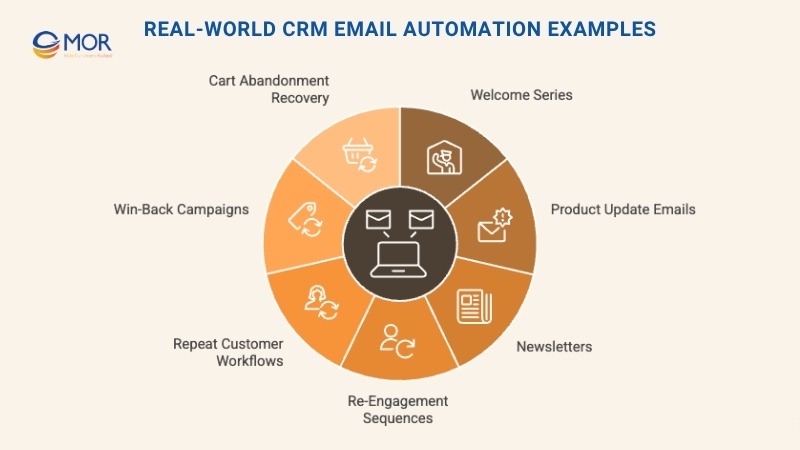
In the fast-paced world of digital communication, CRM software with email automation is transforming how businesses interact with their customers. By integrating robust CRM capabilities with automated email processes, companies can enhance their relationship-building efforts significantly.
CRM software with email automation combines data management, customer segmentation, and automated messaging in one streamlined platform. This integration allows businesses to track customer interactions, tailor communication strategies, and deliver personalized content with minimal effort. It’s a game-changer for cultivating customer loyalty and driving sales growth.
Key Features of CRM Software Integrated with Email Automation
CRM software that includes email automation offers a suite of powerful features designed to maximize efficiency and impact. These systems automatically manage email campaigns, track customer engagements, and generate reports to analyze performance. Businesses can set up automated workflows that send personalized messages triggered by specific actions or events, ensuring timely and relevant communication with customers.
Benefits of Using Email Automation in CRM Systems for Businesses
Utilizing email automation within CRM systems provides numerous advantages for businesses, including:
- Increased efficiency by automating routine communication tasks.
- Enhanced customer personalization through data-driven insights.
- Improved customer retention due to consistent and tailored interactions.
- Scalable marketing efforts with minimal manual input.
“Email automation in CRM systems is not just a tool, but a strategic advantage.”
Examples of Industries That Can Benefit from CRM with Email Automation
Numerous industries stand to gain significantly from CRM systems powered by email automation, such as:
| Industry | Potential Benefits |
|---|---|
| Retail | Automated promotional emails and personalized product recommendations enhance sales and customer satisfaction. |
| Healthcare | Appointment reminders and follow-up messages improve patient engagement and reduce no-show rates. |
| Financial Services | Automated alerts and personalized investment advice help maintain strong client relationships. |
Key Components of CRM Software with Email Automation
Imagine a world where your customer relationships are effortlessly managed and your email campaigns are automated with precision. That’s the power of CRM software with email automation.
This kind of software is designed to streamline customer interactions and automate repetitive tasks, allowing businesses to focus on what truly matters: building strong relationships and driving growth.
Essential Components of CRM Software with Email Automation
A robust CRM system with email automation is built on several key components that work harmoniously to maximize efficiency and customer engagement. At its heart, this system integrates powerful contact management, email marketing, and analytics capabilities.
- Contact Management: Centralize all customer data to ensure personalized communication.
- Email Marketing: Design and automate targeted email campaigns with ease.
- Analytics: Gain insights into campaign performance and customer behavior.
- Workflow Automation: Automate routine tasks to save time and reduce human error.
Setting Up Email Automation Workflows
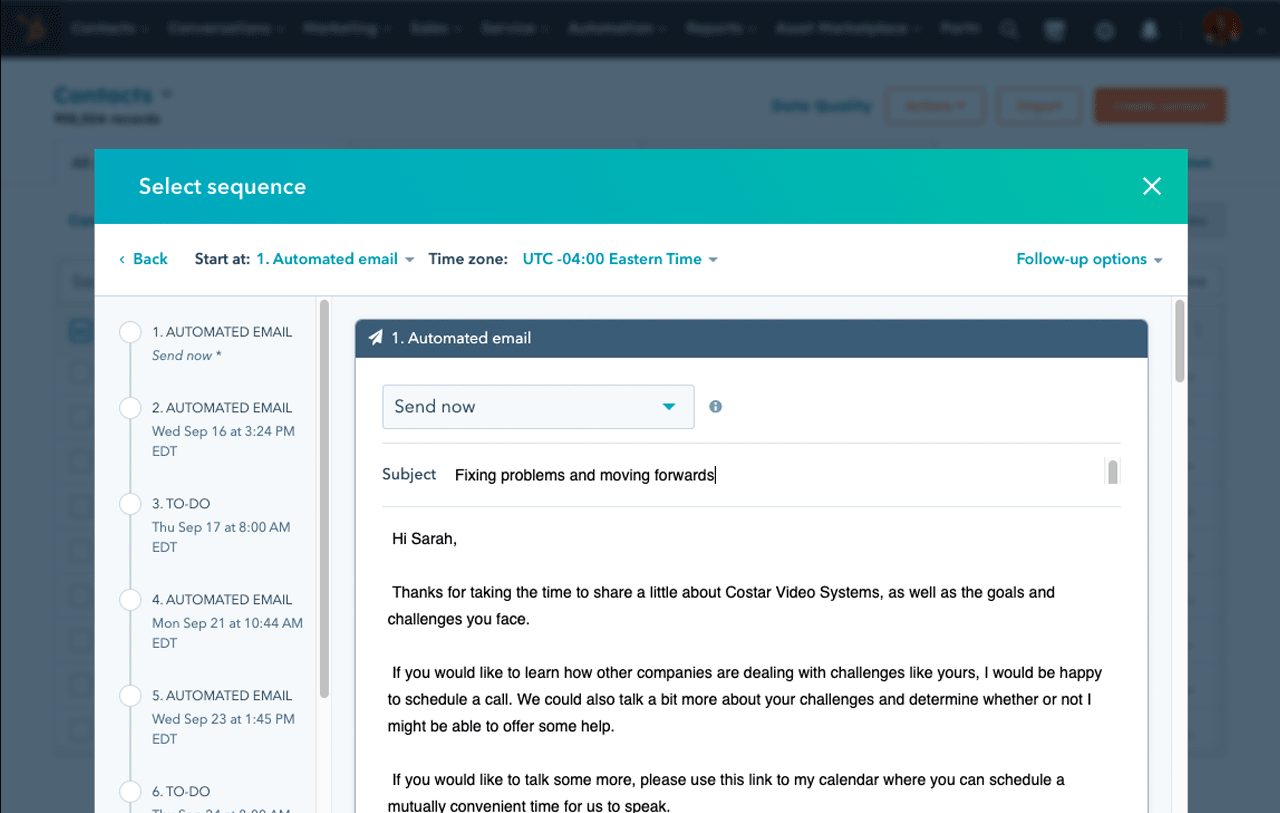
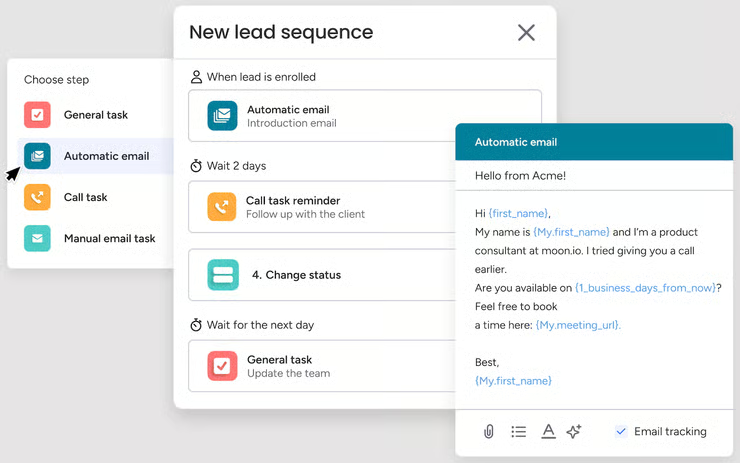
Creating email automation workflows within a CRM system can transform how you interact with your audience. This process involves setting up triggers and actions that are tailored to your business needs.
First, identify key customer touchpoints and determine the appropriate trigger for each. For example, a new sign-up can trigger a welcome email. Next, define the actions that follow each trigger, such as sending a series of nurturing emails over time. Finally, refine these workflows based on performance data to continually enhance effectiveness.
Comparison of CRM Software Options with Email Automation Capabilities
When choosing CRM software with email automation, it’s crucial to compare different options to find the best fit for your business. The table below provides a snapshot of some popular choices:
| Software Name | Key Features | Pricing Tier | Customer Support Options |
|---|---|---|---|
| Salesforce | Advanced analytics, customizable dashboards, AI-driven insights | Premium | 24/7 support, dedicated account manager |
| HubSpot | All-in-one inbound marketing, lead scoring, robust reporting | Free to Enterprise | Email, chat, community support |
| Zoho CRM | Omnichannel communication, AI assistant, process management | Standard to Ultimate | Live chat, email, phone support |
Choose the CRM that fits your unique needs and take your customer engagement to the next level!
Integrating Email Automation in CRM Software
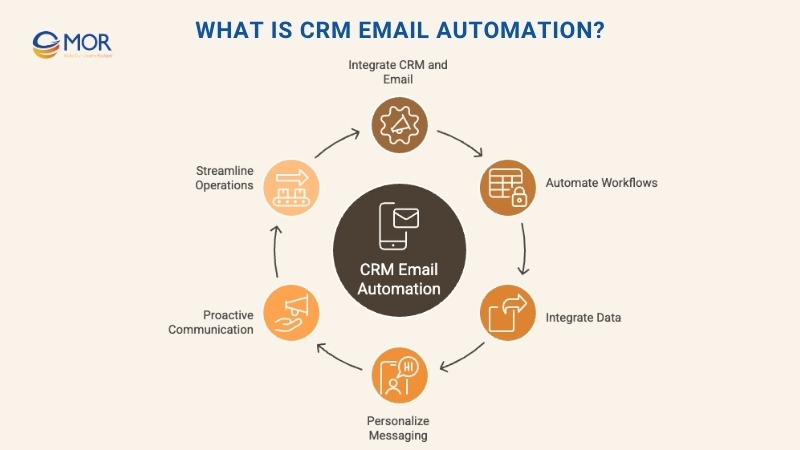
Integrating email automation with CRM software can transform your business’s communication strategies, making them more efficient and personalized. Let’s explore how these integrations can be seamlessly achieved.
By marrying your existing email marketing tools with your CRM software, you can streamline your marketing processes, improve customer interactions, and enhance the overall efficiency of your business operations.
Methods for Integrating Email Marketing Tools with CRM Software
Seamless integration requires careful planning and the right tools. Here’s how you can integrate:
- Evaluate existing email marketing tools for compatibility with CRM systems.
- Utilize built-in connectors or third-party integration platforms like Zapier.
- Opt for APIs when custom integrations are necessary, ensuring tailored functionalities.
Integration facilitates a unified system where customer data and email activities are synchronized, allowing for personalized communication at scale.
Ensuring Seamless Data Synchronization
Data synchronization is the backbone of effective CRM and email automation integration. Here are the steps to ensure it:
- Conduct a data audit to identify essential data fields for synchronization.
- Establish real-time data syncing to keep your CRM and email tools up to date.
- Implement data validation protocols to maintain data integrity and accuracy.
- Regularly monitor synchronization processes to quickly address any discrepancies.
“Seamless data synchronization empowers businesses with actionable insights.”
This ensures that your communication is always relevant and timely.
Designing Effective Email Campaigns Using CRM Software
Creating impactful email campaigns starts with leveraging your CRM’s capabilities. Here’s a step-by-step guide:
- Segment your contact list using CRM analytics to target specific customer groups.
- Design personalized email templates that reflect your brand and message.
- Automate email sequences to engage customers at optimal times.
- Utilize A/B testing features to refine your email content and delivery.
- Analyze campaign performance through CRM dashboards to continually improve.
By harnessing the power of CRM software, your email campaigns can not only reach the right audience but also encourage greater customer engagement and conversion rates.
Enhancing Customer Engagement with Email Automation

In the fast-paced world of digital marketing, maintaining meaningful interactions with your customers is essential. Email automation in CRM software empowers businesses to engage customers at scale, creating personalized experiences that resonate.
By leveraging data-driven insights, companies can craft and deliver targeted email campaigns that not only capture attention but also foster long-term loyalty. The key lies in understanding customer needs and turning automated emails into a bridge that connects brands with their audience.
Strategies for Effective Email Automation
To elevate customer engagement, it’s crucial to implement strategic email campaigns that resonate with individuals on a personal level. Here are some proven strategies:
- Segmentation: Divide your audience based on demographics, behavior, or purchase history to tailor messages that speak directly to their interests.
- Triggered Emails: Use automation to send emails based on specific customer actions, such as abandoned cart reminders or post-purchase follow-ups.
- Dynamic Content: Integrate personalized content like names, recommended products, or location-specific offers to enhance relevance.
These techniques ensure that your message not only reaches but resonates with your audience, driving engagement and conversion.
Success Stories of Email Automation Campaigns
Real-world examples illustrate the power of email automation in enhancing customer engagement:
- Netflix: By using personalized recommendations in their emails, Netflix achieved a significant increase in user retention and engagement.
- Amazon: Automated product suggestion emails based on browsing history have been pivotal in boosting sales and customer satisfaction for Amazon.
- Spotify: Personalized playlists sent through automated emails have helped Spotify to maintain high levels of user interaction and loyalty.
These successful campaigns highlight the transformative impact of email automation when aligned with customer preferences and behaviors.
Personalizing Customer Interactions through Automation
Creating personalized experiences is more than just inserting a name in an email. It’s about crafting messages that align with individual journeys:
| Traditional Emails | Automated Emails |
|---|---|
| Generic content for mass audiences | Dynamic content tailored to individual interests |
| Periodic batch sending | Timing based on customer actions and preferences |
Automation enables businesses to respond to customer behaviors in real time, transforming interactions from transactional to relational. As one industry expert put it,
“Email automation takes the guesswork out of engagement, fostering deeper connections by delivering the right message at the right time.”
By embracing these strategies, businesses can not only enhance engagement but also build lasting relationships with their customers.
Measuring Success and ROI of Email Automation in CRM
Understanding the effectiveness of your email automation in CRM is crucial to refining strategies and maximizing returns. This step involves analyzing various metrics and calculating the return on investment (ROI) for these efforts.
A well-rounded analysis of your email automation initiatives involves several key performance indicators (KPIs) tailored to capture the essence of your campaign’s impact. These KPIs help in understanding how deeply your strategies are resonating with your audience.
Essential Metrics for Evaluation
To ensure that your email automation efforts are hitting the mark, here is a table outlining the key metrics to consider:
| Metric | Description | Measurement Tool | Frequency of Measurement |
|---|---|---|---|
| Open Rate | The percentage of recipients who open your emails. | Email Marketing Software | Weekly |
| Click-Through Rate (CTR) | The ratio of users who click on a specific link to the number of total users who view an email. | CRM Analytics | Monthly |
| Conversion Rate | The percentage of email recipients who take a desired action. | CRM Dashboard | Quarterly |
| Bounce Rate | The percentage of emails that could not be delivered to the recipient’s inbox. | Email Service Provider | Weekly |
| Unsubscribe Rate | The percentage of recipients who opt out of your mailing list. | Email Platform | Monthly |
Tools and Techniques for Calculating ROI
Evaluating the ROI of your email automation strategies requires a comprehensive look at both the costs involved and the revenue generated. Here are some techniques to help you assess the financial impact:
- Utilize Google Analytics to track revenue generated through email campaigns, attributing specific sales to individual email interactions.
- Employ CRM reporting tools to correlate email-driven leads and sales conversions, ensuring that you account for the complete sales cycle.
- Calculate costs accurately by considering software subscriptions, personnel time, and design expenses related to email campaigns.
- Use the formula:
ROI = (Revenue from Campaign – Cost of Campaign) / Cost of Campaign
to determine the financial effectiveness of your efforts.
Future Trends and Innovations in CRM and Email Automation

In the rapidly evolving landscape of CRM software, the integration of email automation is experiencing transformative changes. Embracing these advancements is essential for businesses aiming to stay ahead in a competitive market.
As we look into the crystal ball of technology, several trends and innovations are set to redefine how companies interact with their customers through CRM systems. These developments are not just enhancements but revolutionary shifts that will shape the future of customer relationship management.
The Rise of AI-Powered Insights
Artificial Intelligence is no longer a futuristic concept but a present reality that is rapidly being woven into the fabric of CRM systems. AI-powered insights present an unprecedented opportunity for businesses to personalize their email marketing strategies effectively. By analyzing vast data sets, AI can predict customer behaviors, segment audiences with precision, and tailor communication based on individual preferences and past interactions.
Imagine a CRM system that not only stores customer data but actively learns from it, providing suggestions and automating responses with a human touch. This kind of intelligent automation can dramatically improve customer engagement rates and streamline communication processes.
Integration with IoT Devices
The Internet of Things (IoT) is gradually becoming an integral part of CRM strategies. Smart devices offer new data streams that can be harnessed within CRM systems to offer more personalized and timely email communications. By integrating IoT data, companies can trigger automated emails based on real-time user interactions with connected devices.
For instance, a smart home device detecting unusual activity could prompt an automated security update email, enhancing customer engagement and satisfaction by demonstrating proactive service and care.
Advanced Personalization and Dynamic Content
Future CRM systems will enable even more advanced personalization, allowing for highly customized email content that adapts in real-time to the recipient’s actions and context. Dynamic content powered by CRM insights ensures that emails are relevant and timely, significantly boosting engagement and conversion rates.
This trend emphasizes the shift from mass email marketing to targeted, context-aware communication that feels more like a conversation than a campaign.
Forecast: The Influence of Emerging Technologies
As we gaze further into the future, technologies like blockchain and augmented reality (AR) are poised to redefine CRM email automation. Blockchain could enhance data security and privacy, instilling greater trust in customer communications. Meanwhile, AR could offer interactive email experiences that transcend traditional formats, enriching how brands narrate their stories and engage with their audiences.
The integration of these emerging technologies into CRM systems will likely lead to innovative strategies that elevate customer experiences to new heights, making email automation not only a tool for communication but a cornerstone of brand loyalty and growth.
“The future belongs to those who prepare for it today.”
Final Thoughts

As we conclude our exploration of CRM software with email automation, it’s clear that this is more than just a technological advancement—it’s a game changer. By embracing these tools, businesses can cultivate deeper relationships with their customers, drive engagement, and ultimately, boost their bottom line. Don’t let your business fall behind. Harness the power of CRM and email automation today, and watch your potential unfold.