In the rapidly evolving world of business, understanding and nurturing potential customers is more crucial than ever. Enter CRM software with lead scoring, a game-changing tool designed to revolutionize how businesses engage with prospects. But what exactly is lead scoring, and why is it creating such a buzz? Imagine turning your customer data into actionable insights, prioritizing leads based on their likelihood to convert, and focusing your efforts where they matter most. This is not just a dream—it’s the reality of modern CRM systems.
Picture this: a seamless blend of technology and strategy, where every interaction with a potential customer is guided by data-driven decisions. CRM software with lead scoring equips businesses with the power to identify high-quality leads, tailor marketing approaches, and ultimately boost conversion rates. As we journey through the evolution of CRM systems, we uncover how lead scoring has become an indispensable feature, enhancing both sales and marketing efforts with precision and foresight.
Introduction to CRM Software with Lead Scoring
.png "Lead Scoring Software | Prioritize Your Best Prospects")
Revolutionize your sales and marketing strategies with the power of CRM software enhanced by lead scoring. This innovative integration promises to redefine how businesses prioritize and manage their leads, ensuring maximum efficiency and conversion success.
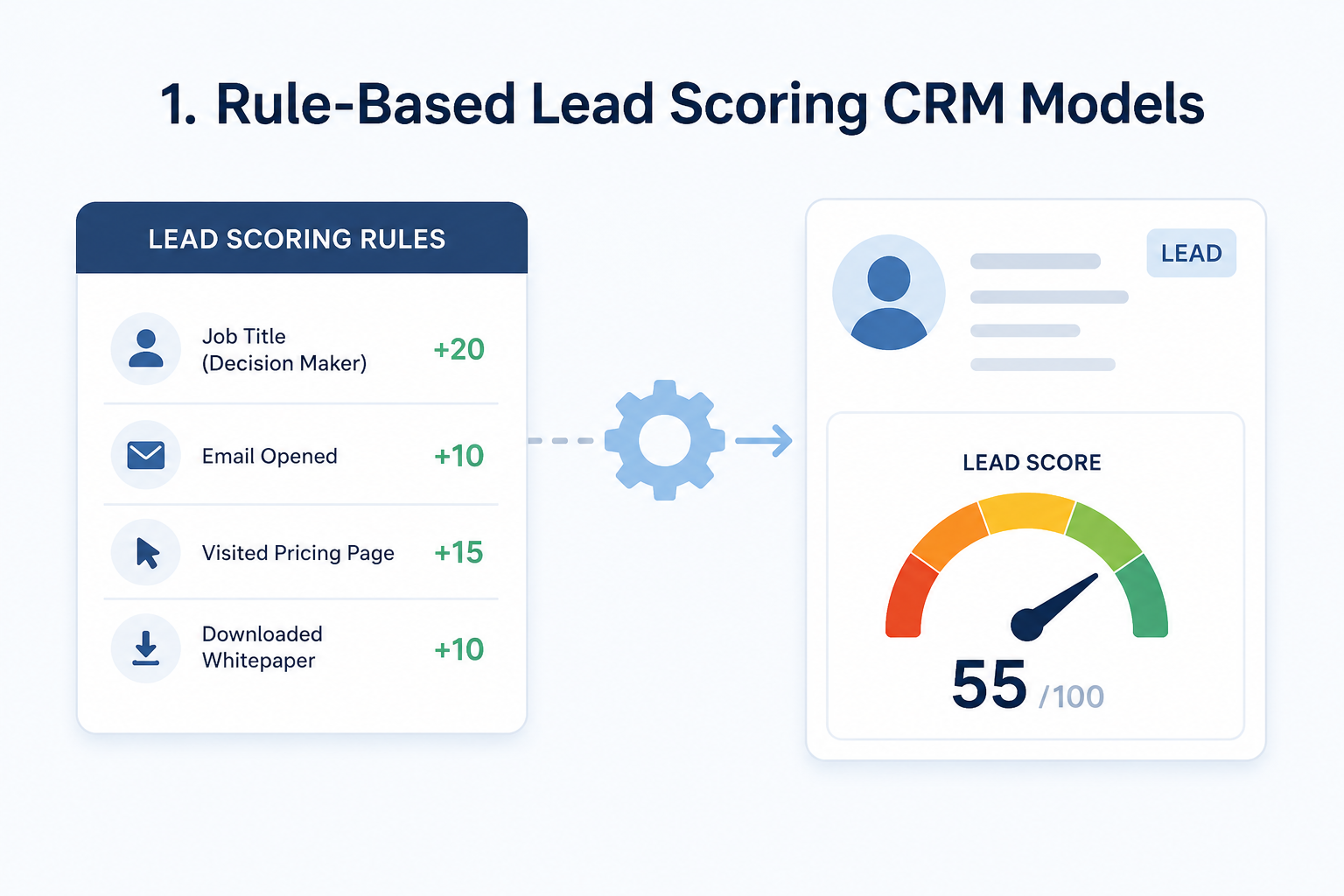
CRM software with lead scoring is a dynamic tool that helps businesses identify the most promising prospects by assigning a score based on various criteria. This allows sales teams to prioritize leads and focus their efforts where they are most likely to succeed. The historical evolution of CRM software has seamlessly integrated lead scoring, transforming it into an indispensable feature for modern businesses.
The Evolution of CRM Software with Lead Scoring
The journey of CRM software from a simple contact management tool to a sophisticated system encompassing lead scoring is remarkable. Early CRM systems were primarily about data storage, serving as electronic Rolodexes. As technology advanced, the need for more strategic tools became apparent. Businesses demanded systems that not only store data but also offer insights and strategies for growth.
Lead scoring emerged as a breakthrough feature, transforming CRM systems into holistic platforms that drive sales and marketing synergy. The integration of lead scoring into CRM systems allows businesses to streamline processes and allocate resources more efficiently, significantly boosting productivity.
The Importance of Lead Scoring in CRM Systems
Integrating lead scoring into CRM systems is crucial for aligning sales and marketing strategies. By evaluating leads based on criteria such as engagement and demographic information, businesses can identify high-potential customers and tailor their approach accordingly. This strategic advantage leads to increased conversion rates and improved customer retention.
“In the world of business, the rearview mirror is always clearer than the windshield.” – Warren Buffett
The incorporation of lead scoring into CRM software not only enhances its functionality but also empowers sales and marketing teams to make data-driven decisions. This clarity and focus translate into tangible business growth and success.
Features and Functionalities of CRM Software with Lead Scoring
Unveiling the power of CRM software with lead scoring, this tool revolutionizes how you connect and convert potential clients. Dive into the features that make this software indispensable for modern businesses.
CRM software with lead scoring capabilities is designed to empower sales and marketing teams by providing detailed insights into customer interactions, preferences, and potential. These features are not just about tracking but about transforming data into actionable intelligence.
Key Features of CRM Software with Lead Scoring
When considering CRM software, it’s essential to understand the pivotal features that enrich your lead management and scoring processes. Here’s what you should look for:
- Automated Lead Scoring: Automatically assign scores to leads based on engagement and behavior, ensuring your team focuses on the most promising prospects.
- Customizable Scoring Models: Tailor the scoring criteria to align with your unique business goals and target audience.
- Data Integration: Seamlessly integrate with existing databases and third-party applications to ensure a comprehensive view of each lead.
- Real-time Analytics: Receive up-to-the-minute insights into lead activities and scoring changes.
- Segmentation and Filtering: Easily segment leads based on scores to create targeted marketing and sales campaigns.
Comparing CRM Software Options
To make an informed choice, it is crucial to compare different CRM software options based on their lead scoring capabilities. Here’s a snapshot comparison:
| Software | Lead Scoring Features | Integration Options | User Experience |
|---|---|---|---|
| CRM A | Advanced AI-based scoring | Extensive 3rd-party integrations | Sleek, user-friendly interface |
| CRM B | Customizable scoring models | Limited but key integrations | Comprehensive but complex |
| CRM C | Basic scoring with manual adjustments | Wide integration capabilities | Intuitive design suitable for beginners |
How Lead Scoring Improves CRM and Conversion Rates
Lead scoring is not just a feature; it’s a strategy that can significantly enhance how businesses manage customer relationships and boost conversion rates. By understanding which leads are most likely to convert, businesses can allocate resources more effectively and personalize their approach to meet specific needs.
“Lead scoring propels your sales process from reactive to proactive, ensuring that every interaction is strategic and impactful.”
By prioritizing leads with higher scores, sales teams can focus their efforts on prospects who are more likely to convert, reducing wasted time and increasing efficiency. This targeted approach not only improves conversion rates but also enhances customer satisfaction by providing tailored interactions.
Best Practices for Implementing Lead Scoring in CRM Software
Integrating lead scoring into your CRM software can transform how your business prioritizes potential customers. By strategically implementing lead scoring, you can enhance sales efficiency and drive better results.
However, to make the most of this tool, it’s essential to understand the methods and best practices for seamless integration, identify challenges that might arise, and establish guidelines that ensure effective utilization.
Methods to Effectively Integrate Lead Scoring
Embedding lead scoring into a CRM system requires a structured approach. Begin by aligning sales and marketing objectives to define what constitutes a lead’s value. Utilize available data to shape a scoring model that reflects your business goals. Integration success often lies in using a data-driven approach combined with regular feedback from sales teams.
- Data Alignment: Ensure that data used for scoring is accurate and relevant.
- Define Score Metrics: Identify behaviors that signify lead quality and assign appropriate scores.
- Regular Review: Continuously evaluate and refine scoring criteria based on performance and outcomes.
Identifying and Overcoming Common Challenges
Implementing lead scoring can pose several challenges, but with proactive solutions, these can be effectively managed. One of the primary obstacles is the potential for biased scoring, which can skew results and misrepresent lead value. Additionally, ensuring data integrity and achieving consensus across departments can be difficult.
“Success in lead scoring lies not just in the setup but in the ongoing refinement and team collaboration.”
| Challenge | Solution |
|---|---|
| Biased Scoring | Involve cross-departmental teams in score setting to ensure balance and objectivity. |
| Data Integrity | Implement regular audits and cleansing protocols to maintain data quality. |
| Lack of Consensus | Facilitate workshops and seminars to align understanding and expectations. |
Guidelines for Setting Up and Using Lead Scoring
To leverage lead scoring effectively, establishing comprehensive guidelines is crucial. These should focus on defining clear criteria, maintaining consistency in scoring, and utilizing feedback loops to enhance the scoring model. By following these best practices, companies can ensure that their lead scoring system remains relevant and impactful.
- Set Clear Objectives: Artikel what success looks like for your lead scoring initiative.
- Ensure Consistency: Use standardized processes and documentation.
- Utilize Feedback: Encourage feedback from sales teams to refine lead scoring practices.
Case Studies on CRM Software with Lead Scoring
Imagine transforming your sales strategy into a well-oiled machine. This is what companies have achieved by implementing lead scoring in their CRM systems. Here, we delve into real-world examples that showcase the remarkable impact of this strategic approach.
From startups to industry giants, businesses have realized substantial returns on investment by leveraging CRM software with lead scoring. Dive into these case studies to see how precise lead targeting has revolutionized their sales operations.
Success Story of a Tech Startup
For Tech Innovators Inc., a burgeoning startup in the software industry, implementing lead scoring was a game-changer. By prioritizing leads based on engagement levels and demographic data, they saw a 30% increase in conversion rates within the first six months. The CRM system, integrated with advanced analytics, provided actionable insights that helped the sales team focus on high-potential clients.
The company learned the importance of continuous data refinement and adjustment of scoring criteria to align with market trends. As a result, their lead nurturing process became more targeted, effectively shortening the sales cycle.
Retail Giant’s Lead Scoring Revolution
When Retail Solutions Ltd., a leader in the retail industry, integrated lead scoring into their CRM, they were able to discern not just who was interested, but who was ready to buy. This strategic insight led to a 20% reduction in marketing costs while simultaneously increasing sales volume by 25% in just a year. Their CRM system’s lead scoring capabilities allowed the marketing team to tailor campaigns that resonated deeply with their audience.
Key lessons from their experience include the necessity of cross-departmental collaboration to ensure that sales and marketing teams are aligned in their goals and strategies. This holistic approach amplified their overall efficiency and effectiveness.
Manufacturing Firm’s ROI Boost
Manufacturing Co. utilized CRM software with lead scoring to streamline their B2B sales process, yielding an impressive 40% increase in lead-to-sale conversions. By analyzing historical data and integrating CRM with their existing systems, they could identify high-value leads more accurately.
Their experience highlighted the critical role of customized scoring models that reflect the nuances of their industry. The firm learned that adapting their approach based on seasonal trends and customer feedback was paramount to maintaining a competitive edge.
Comparative ROI Analysis
To illustrate the diverse impacts of lead scoring in different sectors, here’s a comparative analysis:
| Company | Industry | Increase in Conversion Rate | Reduction in Marketing Costs |
|---|---|---|---|
| Tech Innovators Inc. | Software | 30% | N/A |
| Retail Solutions Ltd. | Retail | 25% | 20% |
| Manufacturing Co. | Manufacturing | 40% | N/A |
“Lead scoring turned our data into a goldmine of opportunities, driving unprecedented growth and efficiency.” – CEO, Retail Solutions Ltd.
Evaluating CRM Software with Lead Scoring
In today’s fast-paced business environment, selecting the right CRM software with lead scoring capabilities is crucial for driving success and maximizing sales opportunities. The perfect CRM solution should not only streamline your processes but also enhance your understanding of customer interactions.
Thus, evaluating and choosing the right CRM software with lead scoring involves meticulous consideration of various factors that align with your business goals and operational needs.
Checklist for Evaluating CRM Software and Its Lead Scoring Features
Before diving into the vast pool of CRM software options, establish a clear checklist to guide your evaluation process. This checklist will ensure that the CRM software you choose effectively meets your requirements:
- Integration Capabilities: Ensure the CRM can seamlessly integrate with your existing tools and platforms.
- User-Friendly Interface: Look for intuitive navigation and customization options.
- Customizable Lead Scoring Models: The ability to tailor lead scoring criteria to fit your unique business model.
- Advanced Analytics and Reporting: Comprehensive insights into lead behavior and performance metrics.
- Scalability: As your business grows, so should your CRM capabilities.
- Cost-Effectiveness: Balance your budget with the features offered.
- Security and Compliance: Protect sensitive data with robust security measures.
Criteria for Selecting the Best CRM Software with Integrated Lead Scoring
Selecting the best CRM software goes beyond ticking checkboxes on a list; it’s about aligning the software’s capabilities with your strategic vision. Consider these critical criteria when making your selection:
Alignment with Business Goals: Ensure the CRM software supports and enhances your strategic objectives. It should facilitate better customer engagement and sales growth.
Flexibility and Customization: The CRM should adapt to your business processes, not the other way around. Choose a solution that allows for customizable features and workflows.
User Adoption and Support: The best CRM software is one that your team will actually use. Opt for solutions that offer excellent user training and customer support services.
Comparison Table of Top CRM Software Products with Lead Scoring Capabilities
To simplify your decision-making process, here is a comparison table of some of the leading CRM software products with robust lead scoring functionalities:
| Header1 | Header2 | Header3 | Header4 |
|---|---|---|---|
| CRM Software A | Seamless Integration | Highly Customizable | Comprehensive Reporting |
| CRM Software B | User-Friendly Interface | Scalable Solutions | Cost-Effective |
| CRM Software C | Advanced Analytics | Robust Security | Excellent Support |
Choosing the right CRM with lead scoring is a pivotal decision that can propel your business to new heights.
Future Trends in CRM Software and Lead Scoring

The landscape of CRM software with lead scoring is undergoing a revolutionary transformation. With each breakthrough, we edge closer to a future where customer relationship management is more intuitive and impactful than ever before.
As businesses strive to understand their customers more deeply, the integration of cutting-edge technologies is setting new standards in lead scoring practices. Embracing these innovations is not just a choice but a necessity for maintaining a competitive edge.
The Rise of Artificial Intelligence and Machine Learning
Artificial Intelligence (AI) and Machine Learning (ML) are at the forefront of transforming CRM solutions. These technologies enable the systems to analyze vast datasets and predict future customer behaviors with unprecedented accuracy. Imagine a CRM that not only scores leads based on current interactions but also anticipates future needs, suggesting tailored approaches for engagement and conversion. AI-powered lead scoring is about precision and personalization, ensuring that no potential opportunity is overlooked.
Advanced Analytics and Predictive Insights
Advanced analytical tools are redefining how businesses evaluate and prioritize leads. By integrating predictive insights, CRM software can now offer a detailed roadmap of customer journeys, helping businesses to fine-tune their strategies in real time. This trend is pivotal in crafting personalized customer experiences, enhancing engagement, and boosting conversion rates dramatically.
Integration of IoT and CRM Systems
The Internet of Things (IoT) is not just a buzzword; it’s becoming an integral part of CRM solutions. With IoT, businesses can harness data from interconnected devices, providing a 360-degree view of customer interactions. This integration helps in crafting highly customized marketing campaigns, optimizing customer touchpoints, and refining lead scoring metrics to be more dynamic and responsive.
“The future of CRM and lead scoring lies in leveraging technology to create deeper, more meaningful customer relationships.”
Final Summary

The future of customer engagement is here, and it’s driven by CRM software with lead scoring. As we stand on the brink of technological advancements in AI and machine learning, the possibilities for refining and optimizing lead scoring are endless. Businesses that embrace these tools are not only poised for success but are setting the stage for a new era of customer relationship management. So, are you ready to harness the full potential of your customer interactions and lead your business to new heights?