In the dynamic world of startups, where every second counts and every customer interaction matters, having the right tools can make all the difference. Enter CRM software, the backbone of customer relationship management, designed to streamline operations, enhance customer engagement, and propel your startup to new heights.
Imagine harnessing the power of data and automation to craft personalized experiences for your clients, all while scaling your business effortlessly. Let’s dive into how CRM solutions can transform your startup journey, offering the perfect blend of innovation and practicality.
Overview of CRM Software for Startups
In the fast-paced world of startups, leveraging the right tools is crucial to staying ahead of the competition. One such tool is CRM software, which offers a lifeline to burgeoning companies by streamlining customer interactions and enhancing overall business efficiency.
CRM software designed for startups is packed with features that not only manage customer relationships but also drive growth and scalability. These platforms provide a harmonious blend of affordability, ease of use, and powerful features that align with the unique needs of a startup environment.
Key Features that Make CRM Software Suitable for Startups
CRM solutions come with a variety of features specifically tailored for the dynamic needs of startups. Some of these essential features include:
- Contact Management: A centralized repository for all customer information, enabling streamlined communication and efficient follow-ups.
- Sales Automation: Tools that automate repetitive tasks, allowing sales teams to focus on closing deals rather than administrative duties.
- Scalability: As a startup grows, the CRM system can expand with it, accommodating more users and additional features without a hitch.
- Integration: Ability to seamlessly integrate with other tools and platforms, ensuring a cohesive workflow across different organizational functions.
Supporting Growth and Scalability of a Startup
As startups scale, maintaining personalized customer interactions can become challenging. This is where CRM software proves indispensable, offering robust support for a growing enterprise. By providing actionable insights through data analytics and reporting, CRM systems empower startups to make informed decisions. Additionally, the automation of routine tasks means that teams can concentrate on strategic growth initiatives.
CRM software is not just a tool but a strategic partner in a startup’s journey to growth.
Startups Successfully Implementing CRM Solutions
Many startups have witnessed remarkable transformations by integrating CRM systems into their business processes. For instance, a startup in the e-commerce sector utilized CRM software to streamline its customer service operations, leading to a significant improvement in customer satisfaction and retention rates. Similarly, a tech startup leveraged CRM analytics to target its marketing efforts more effectively, resulting in a considerable boost in lead conversion rates.
These examples highlight the potential of CRM software to turn seemingly insurmountable challenges into opportunities for growth and success.
Comparing Popular CRM Solutions

In the bustling world of startups, choosing the right CRM software can be the difference between chaos and clarity. Let’s delve into a comparison of top CRM solutions, tailored specifically for the agile needs of startups.
Whether you’re seeking streamlined communication, enhanced customer relations, or data-driven insights, the right CRM can be your business’s best ally. Here’s how some top contenders stack up against each other.
Top CRM Options for Startups
Understanding the landscape of CRM solutions is crucial for making an informed decision. Below, we’ve compiled a table comparing popular CRM software that have been gaining traction among startups. Each option boasts unique features, pricing models, and selling points.
| CRM Software | Features | Pricing | Unique Selling Points |
|---|---|---|---|
| HubSpot CRM | Contact management, email tracking, lead generation | Free basic package, paid plans starting from $50/month | User-friendly interface and free tier access |
| Salesforce Essentials | Customizable dashboards, customer support, sales tracking | $25/user/month | Scalability with robust support features |
| Zoho CRM | Sales automation, analytics, process management | Free for 3 users, paid plans starting from $12/user/month | Affordable with extensive integration capabilities |
Cloud-Based vs. On-Premise CRM Software
Choosing between cloud-based and on-premise CRM solutions is a pivotal decision for startups. Each comes with its own set of advantages and challenges that can significantly impact your business operations.
Cloud-Based CRM offers the flexibility of accessing data from anywhere, anytime. This can be particularly beneficial for startups with remote teams or those on the go. Additionally, it often requires less upfront investment and maintenance.
- Pros: Scalability, accessibility, lower initial costs
- Cons: Dependence on internet connectivity, potential data security concerns
On-Premise CRM solutions, on the other hand, provide a higher level of control over data security and customization. This can be appealing for startups handling sensitive information or requiring tailored software configurations.
- Pros: Enhanced data control, customization capabilities
- Cons: Higher upfront costs, maintenance responsibilities
In the end, the choice between cloud-based and on-premise CRM solutions should align with your startup’s unique needs, budget, and growth trajectory.
Integration Capabilities

In the fast-paced world of startups, leveraging CRM software with strong integration capabilities can be a game-changer. Seamless connections between your CRM and other tools can enhance productivity and streamline operations.
Understanding integration capabilities is crucial because it ensures that your CRM platform can communicate effectively with other essential business tools. This not only saves time but also minimizes data entry errors and enhances workflow efficiencies. Startups often operate with limited resources, so maximizing these integrations can provide a significant edge.
Essential Integrations for Startup Success
Startups require CRM solutions that can integrate smoothly with various tools to amplify their business processes. These integrations enable teams to maintain a single source of truth for customer data and streamline communication across departments.
Common tools or platforms that CRM software should integrate with include:
- Email Platforms (e.g., Gmail, Outlook)
- Marketing Automation Tools (e.g., Mailchimp, HubSpot)
- Project Management Software (e.g., Asana, Trello)
- Accounting Systems (e.g., QuickBooks, Xero)
- Social Media Platforms (e.g., Facebook, LinkedIn)
The ability to connect these platforms with your CRM not only enhances customer relationship management but also provides an integrated view of business operations. This connectivity is essential for startups aiming to stay agile and responsive in rapidly changing markets.
CRM Software and Their Integration Capabilities
Here’s a quick look at some popular CRM software and their integration capabilities with key business tools. This comparison can help startups choose a CRM solution that aligns with their specific integration needs.
| CRM Software | Email Integration | Marketing Tools | Project Management | Accounting Systems |
|---|---|---|---|---|
| HubSpot CRM | Gmail, Outlook | Mailchimp, HubSpot Marketing | Asana, Trello | QuickBooks |
| Salesforce | Gmail, Outlook | Pardot, Marketo | Jira, Monday.com | QuickBooks, Xero |
| Zoho CRM | Gmail, Outlook | Zoho Campaigns | Zoho Projects | Zoho Books |
| Pipedrive | Gmail, Outlook | Mailchimp, ActiveCampaign | Asana, Trello | QuickBooks, Xero |
The right CRM with robust integration capabilities is not just a tool, it’s a strategic partner for growth.
By carefully considering integration features, startups can ensure that their CRM platform supports effortless connectivity and positions their business for scalable success.
Cost-Effectiveness and Pricing Models

Choosing the right CRM software for a startup is not only about features but also about finding a solution that fits the budget. Startups need to focus on cost-effectiveness while ensuring they do not compromise on essential functionalities.
In the world of CRM software, pricing models can vary significantly, offering different levels of service and flexibility. Understanding these models helps startups make informed decisions, ensuring they get the most value for their investment.
Exploring Various Pricing Models
CRM providers offer a range of pricing models that cater to startups, from freemium options to tiered subscription plans. Freemium models often provide a basic level of service for free, allowing startups to get a taste of the platform’s capabilities without financial commitment. Subscription-based pricing usually involves monthly or annual fees, with costs scaling based on the number of users or features.
- Freemium: Basic features at no cost, often supporting small teams.
- Pay-per-user: Charges based on the number of active users, ideal for growing teams.
- Tiered Plans: Offer different feature sets at increasing price points.
CRM Solutions with Free or Affordable Plans
Many CRM solutions offer free tiers or affordable entry-level plans that are perfect for startups with limited budgets.
| CRM Software | Free Tier Available | Starting Price |
|---|---|---|
| HubSpot CRM | Yes | $0/month |
| Zoho CRM | Yes | $14/month |
| Agile CRM | Yes | $8.99/month |
Evaluating Cost-Effectiveness
To assess the cost-effectiveness of a CRM solution, startups should consider several factors. It’s essential to analyze the potential return on investment (ROI) by examining how the CRM will enhance productivity and customer engagement. Startups should also review if the software offers scalability to support future growth without incurring exorbitant costs.
“The best CRM isn’t always the cheapest but the one that offers true value for your growing business.”
By carefully weighing these aspects, startups can ensure they choose a CRM solution that aligns with their financial and operational goals.
Customization and Scalability

In the fast-paced world of startups, one size definitely doesn’t fit all. Tailoring CRM software to meet specific business needs isn’t just a luxury—it’s a necessity.
Customization allows startups to mold their CRM tools like clay, ensuring every feature and function aligns perfectly with their unique business model. This flexibility not only supports current operations but also lays a robust foundation for future growth. Let’s explore how a finely-tuned CRM can transform your startup into a scalable powerhouse.
Crafting the Perfect CRM Experience
Imagine a CRM system that adapts as your startup evolves, a digital ally that grows alongside you. The beauty of customization in CRM software isn’t just about changing colors or layouts; it’s about designing workflows that mirror your business processes and adding modules that cater to your specific industry. Whether it’s a bespoke sales pipeline or a tailored customer service dashboard, effective customization empowers startups to perform at their peak.
Consider a startup in the e-commerce space. They can integrate custom order management systems directly into their CRM, ensuring seamless tracking and fulfillment. Meanwhile, a tech startup might prioritize integrating detailed project management tools to enhance their development cycles. This level of personalization transforms a standard CRM into a bespoke solution.
Scalable Solutions for Growing Startups
Startups are dynamic by nature, and their CRM tools need to match this agility. Scalable CRM solutions are designed to grow as your business expands, offering the flexibility to add new users, features, and integrations without a hitch. This means no more headaches over outgrowing your CRM—just smooth sailing toward success.
For instance, platforms like Salesforce and HubSpot offer tiered packages that scale with your operations. As your customer base grows, these CRMs allow you to upgrade seamlessly, adding enhanced analytics, automation, and AI capabilities. By investing in a CRM that scales, startups can avoid the pitfalls of constant software switching and focus on what truly matters: innovation.
“Customization and scalability turn your CRM into a growth engine for your startup.”
User Experience and Support

When diving into the realm of CRM software for startups, one cannot overlook the power of an intuitive user experience and robust customer support. These elements can be the difference between a tool that simply exists and one that thrives, catalyzing your business growth.
Your CRM should feel like an extension of your team, seamlessly integrating into daily operations while providing ample support to troubleshoot issues as they arise. Let’s explore the aspects that make a CRM user-friendly and the support avenues that ensure you’re never left in the dark.
Key Features of User-Friendly CRM Solutions
Startups should gravitate towards CRM software that embodies simplicity and functionality. A clean and intuitive interface is crucial, reducing the learning curve and allowing your team to dive right into productivity. Look for solutions that offer customizable dashboards, drag-and-drop features, and mobile accessibility, ensuring that your CRM is as agile as your startup desires to be.
Customer Support: The Backbone of CRM Reliability
Even the most intuitive systems require a safety net in the form of customer support. When evaluating CRM options, prioritize those with comprehensive support packages including 24/7 availability, live chat, and dedicated account managers. A support team that is easily accessible can save valuable time and resources, allowing you to focus on scaling your business.
Consider the following table, which lists CRM software with their user experience ratings and support options:
| CRM Software | User Experience Rating | Support Options |
|---|---|---|
| CRM A | 4.5/5 | Email, Live Chat, 24/7 Phone Support |
| CRM B | 4.0/5 | Community Forum, Email Support |
| CRM C | 4.8/5 | Dedicated Account Manager, 24/7 Live Chat |
“A CRM should not just be a tool, but an enabler of growth and collaboration for your startup.”
Conclusion
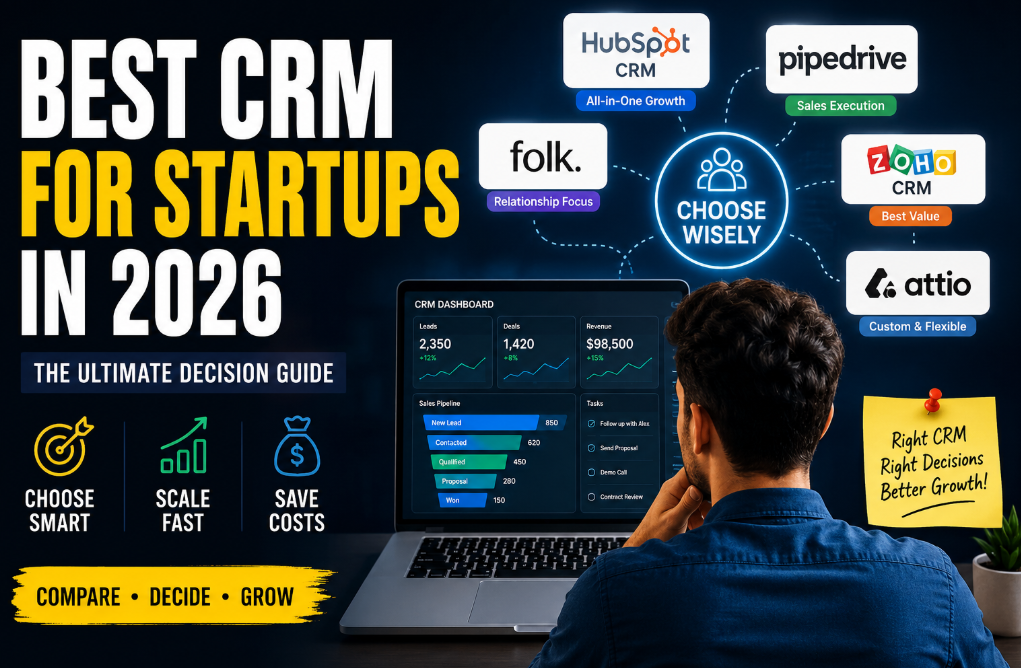
As you embark on the exciting journey of building your startup, choosing the right CRM software can be your secret weapon to success. With the right solution, not only can you enhance customer interactions, but you can also create a scalable and efficient business model. So, take the leap, explore your options, and watch your startup thrive in ways you never imagined.